
Winter in Tucson brings cooler nights, crisp mornings, and noticeable day-to-day temperature changes. These seasonal shifts can make joint discomfort more noticeable in dogs and cats, particularly after periods of rest. Pets who usually move comfortably may begin to show stiffness, hesitation with jumping or climbing, or less interest in play during the winter months.
At Adobe Veterinary Center, we understand how seasonal changes can affect your pet’s mobility and comfort. Our team offers several supportive care options that work together to help manage joint pain while keeping pets as comfortable and active as possible.
Why Dogs and Cats Feel Joint Pain More in Winter
Cooler temperatures and seasonal changes can aggravate joints, especially in pets with arthritis, previous injuries, or age-related wear and tear. Factors that may contribute to winter joint discomfort include:
- Cooler nighttime and early-morning temperatures
- Day-to-day temperature fluctuations
- Reduced activity during shorter daylight hours
- Increased joint inflammation
- Muscles tightening after long periods of rest
Cats are especially skilled at hiding discomfort, so subtle changes in behavior or grooming habits may be early signs of joint pain.
Signs of Winter Joint Pain in Dogs and Cats
Pet parents may notice:
- Stiffness or slow movement after resting
- Limping or favoring one leg
- Hesitation with stairs, jumping, or climbing
- Decreased interest in walks or play
- Soreness after light activity
- Irritability or sensitivity to touch
- Reduced grooming in cats
If these signs appear, a winter mobility evaluation can help determine what is contributing to your pet’s discomfort.
Pets More Likely to Experience Winter Joint Pain
Some pets are more sensitive to seasonal joint changes, including:
- Senior dogs and cats
- Large- and giant-breed dogs
- Pets with arthritis or prior orthopedic injuries
- Overweight pets
- Young dogs predisposed to joint conditions
- Pets recovering from surgery or orthopedic issues
Winter often makes mobility changes easier to notice, even when joint problems have been developing gradually.
How Adobe Veterinary Center Helps Ease Winter Joint Pain
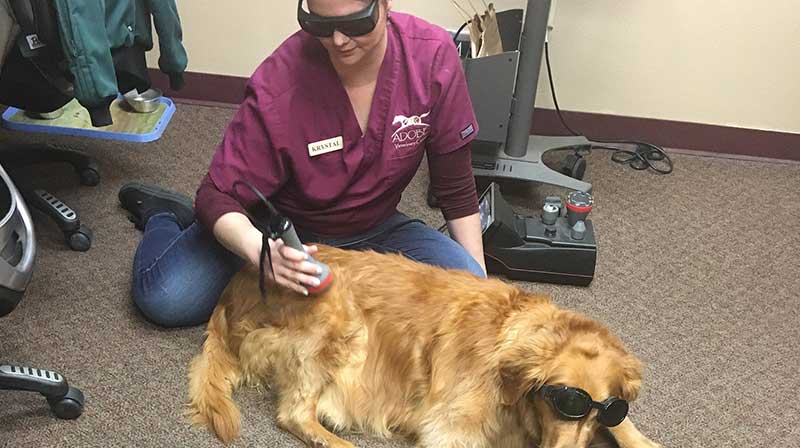
At Adobe Veterinary Center, we focus on using more than one supportive approach to manage joint pain. Rather than relying on a single treatment, combining different therapies allows us to address discomfort from multiple angles. This approach often improves comfort while reducing the need for higher doses of any one medication, helping to lower the risk of side effects.
Laser Therapy
Therapeutic laser therapy is a gentle, non-invasive treatment that helps reduce inflammation, improve circulation, and relieve joint and muscle discomfort. Laser therapy is commonly used for pets with arthritis, back pain, hip or knee issues, tendon injuries, and chronic stiffness.
Many dogs and cats find laser sessions relaxing, and regular treatments can play an important role in supporting mobility and comfort throughout the winter months.
Pain Medications and Medical Support
When appropriate, we may recommend pain medications to help control inflammation and discomfort. We select these medications carefully based on your pet’s age, overall health, and medical history.
By pairing medications with other supportive treatments, such as laser therapy, we can often achieve effective pain relief using lower doses, helping to reduce the likelihood of medication-related side effects.
Joint Support Supplements
Supplements may help protect cartilage, support joint lubrication, and promote long-term mobility. We recommend using these supplements alongside laser therapy and medications as part of an individualized joint care plan.
Nutritional Guidance and Weight Management
Maintaining a healthy weight is one of the most important factors in joint health. Excess weight places additional strain on the hips, knees, elbows, and spine. Our team can help guide dietary choices that support weight control, muscle strength, and reduce joint stress.
Even minor changes in weight can lead to noticeable improvements in comfort and mobility.
Home Strategies to Support Pets with Winter Joint Pain
Simple adjustments at home can help reduce stiffness and improve daily comfort:
- Provide warm, padded bedding away from cold floors
- Keep resting areas free from drafts
- Encourage gentle, regular activity
- Maintain a healthy body weight
- Keep nails trimmed for better traction
- Use ramps or steps for beds, furniture, or vehicles
- Make litter boxes easy for cats to access
- Allow pets to warm up gradually after resting
When to Schedule a Mobility Evaluation
Contact Adobe Veterinary Center if your pet:
- Shows stiffness or limping lasting more than a day
- Has difficulty rising or lying down
- Struggles with stairs or jumping
- Seems sore after mild exercise
- Becomes irritable when touched
- Experiences sudden changes in mobility during the winter months
A winter mobility evaluation allows us to assess your pet’s needs and recommend a personalized care plan.
Keeping Your Pet Comfortable All Winter Long
Winter joint pain does not have to limit your pet’s quality of life. With laser therapy, thoughtful use of medications, joint support, nutritional guidance, and practical home care strategies, Adobe Veterinary Center can help your dog or cat stay comfortable and mobile throughout the winter season.
Contact Adobe Veterinary Center today to schedule your pet’s winter mobility evaluation.