
Spring in the Sonoran Desert brings warmer weather, blooming plants, and more outdoor exploration for pets. It also brings seasonal hazards that dogs and cats in Tucson commonly face this time of year. Understanding these risks helps pet owners keep their pets safe and healthy throughout the season.
Rattlesnakes Become Active in Early Spring
As temperatures rise, rattlesnakes emerge from brumation and move through desert washes, hiking trails, rocky landscapes, and even neighborhood yards. The Western Diamondback Rattlesnake is the species most often encountered around Tucson.
Where pets may meet rattlesnakes:
- Along desert hiking paths
- In washes and drainage areas
- Under patios, porches, and sheds
- Near rock landscaping and wood piles
- During early morning and evening walks
If your dog or cat is bitten:
- Seek emergency veterinary care immediately.
- Do not apply ice, tourniquets, or attempt home treatment.
- Carry your pet if possible, to reduce movement.
Prevention tips:
- Keep pets leashed on trails
- Avoid brush, tall grass, and rocky crevices
- Walk during times when snakes are less active
- Consider professional snake-aversion training
For a detailed overview of symptoms and emergency care, you can also review this PetMD guide on rattlesnake bites in pets.
Rabies Risks Increase with Wildlife Activity
Rabies remains present in Arizona wildlife such as bats, skunks, foxes, and coyotes. These animals become more active in spring, increasing the risk of exposure.
Your pet should be examined if they:
- Are bitten or scratched by wildlife
- Bring home a bat or another injured animal
- Are found interacting with a skunk, fox, or coyote
- Develop sudden neurological changes, confusion, or aggression
Keeping your pet current on their rabies vaccine is one of the most important ways to protect both your pet and your family.
Allergies and Itchy Skin Are Common in Spring
As desert plants bloom and winds pick up, many pets experience itchy skin, watery eyes, or irritation. These flare-ups may come from pollen, dust, plant contact, or insect bites.
Some owners consider using Benadryl for allergy relief, but the correct approach depends on your pet’s size, age, health history, and current medications.
Important notes:
- Cats should not receive antihistamines without veterinary approval
- Not all antihistamines are safe for every pet
- Some Benadryl-labeled products contain additional ingredients that are harmful
If your pet shows signs of allergies—itching, redness, ear irritation, licking, or rashes—Adobe Veterinary Center can recommend the safest and most effective treatment.
Toxic and Irritating Desert Plants
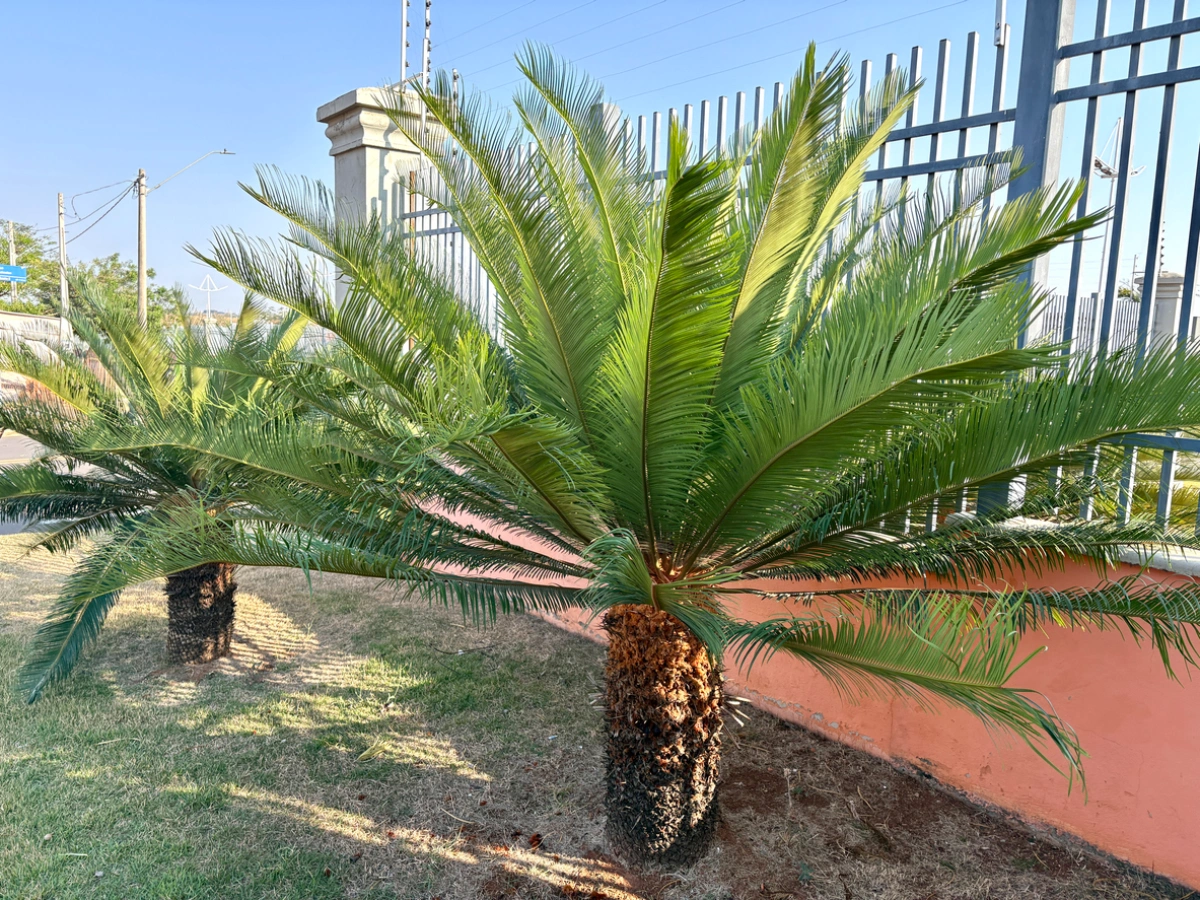
The Sonoran Desert has many beautiful spring plants, but several pose risks if chewed or eaten.
Common Tucson-area hazards include:
- Sago palm (extremely toxic)
- Oleander
- Foxtails
- Mesquite beans
- Palo verde pods
- Cactus spines
- Compost and yard debris
Another plant to be aware of is water hemlock, one of the most toxic plants in North America. While it is less common in the desert itself, it can grow near washes, irrigation areas, or standing water. Even small amounts can cause severe poisoning with tremors and seizures and may lead to sudden death in animals and humans.
Symptoms from plant ingestion may include vomiting, diarrhea, drooling, abdominal pain, or neurological signs. Contact the clinic immediately if your pet eats any of these plants or an unknown plant. Several of these plants are highly toxic and can cause severe poisoning and death, so preventing access is essential for your pet’s safety.
Parasites Stay Active in Southern Arizona
Because Tucson rarely freezes, fleas, ticks, and mosquitoes can be active year-round. Spring weather brings an increase in their activity.
Key parasite risks:
- Mosquitoes: heartworm disease in dogs and cats
- Fleas: dermatitis, itching, and tapeworms
- Ticks: Ehrlichiosis, Rocky Mountain Spotted Fever, Anaplasmosis
Starting or updating flea, tick, and heartworm prevention in spring provides strong protection as activity rises.
Shedding and Coat Changes in Spring
As the days lengthen and temperatures climb, shedding naturally increases.
To help manage shedding:
- Brush pets regularly
- Support coat health with a balanced diet
- Bathe dogs on a veterinarian-recommended schedule
- Watch cats for mats and increased hairballs
- Monitor for redness, bald spots, or flaky skin
A spring wellness exam can help determine whether skin issues are allergy-related or caused by another condition.
Standing Water and Soil-Based Illnesses
Spring rain, irrigation, and backyard watering create humid pockets where bacteria and parasites thrive.
Potential exposures:
- Leptospirosis from wildlife-contaminated puddles
- Giardia from drinking irrigation runoff or licking muddy paws
- E. coli from contaminated soil or water bowls left outdoors
Symptoms often include vomiting, diarrhea, fever, or lethargy. When vomiting and diarrhea are involved, dehydration can become a problem faster than many people realize. Early treatment greatly improves outcomes.
Spring Pet Safety Tips for Tucson Dogs and Cats
- Keep pets leashed during desert walks
- Avoid rocky crevices and brush where snakes may hide
- Keep rabies vaccines up-to-date
- Talk to your vet before giving antihistamines
- Prevent access to toxic plants and yard chemicals
- Use year-round flea, tick, and heartworm prevention
- Supervise pets outdoors due to wildlife activity
- Schedule a spring exam for emerging seasonal concerns
Keep Your Pet Safe This Spring

Spring in Tucson brings wonderful opportunities to explore the outdoors—but it also brings predictable seasonal hazards. Whether you’re concerned about rattlesnakes, rabies exposure, allergies, or other springtime risks, Adobe Veterinary Center is here to help.
Call today to schedule your pet’s spring wellness visit.