
Pigeon fever is a condition many Arizona horse owners have heard of, but not everyone fully understands how it starts or spreads. While most cases appear in late summer and fall, the process that leads to infection begins earlier in the year. Knowing how pigeon fever develops can make it much easier to recognize risk and take steps to protect your horse.
What Is Pigeon Fever?
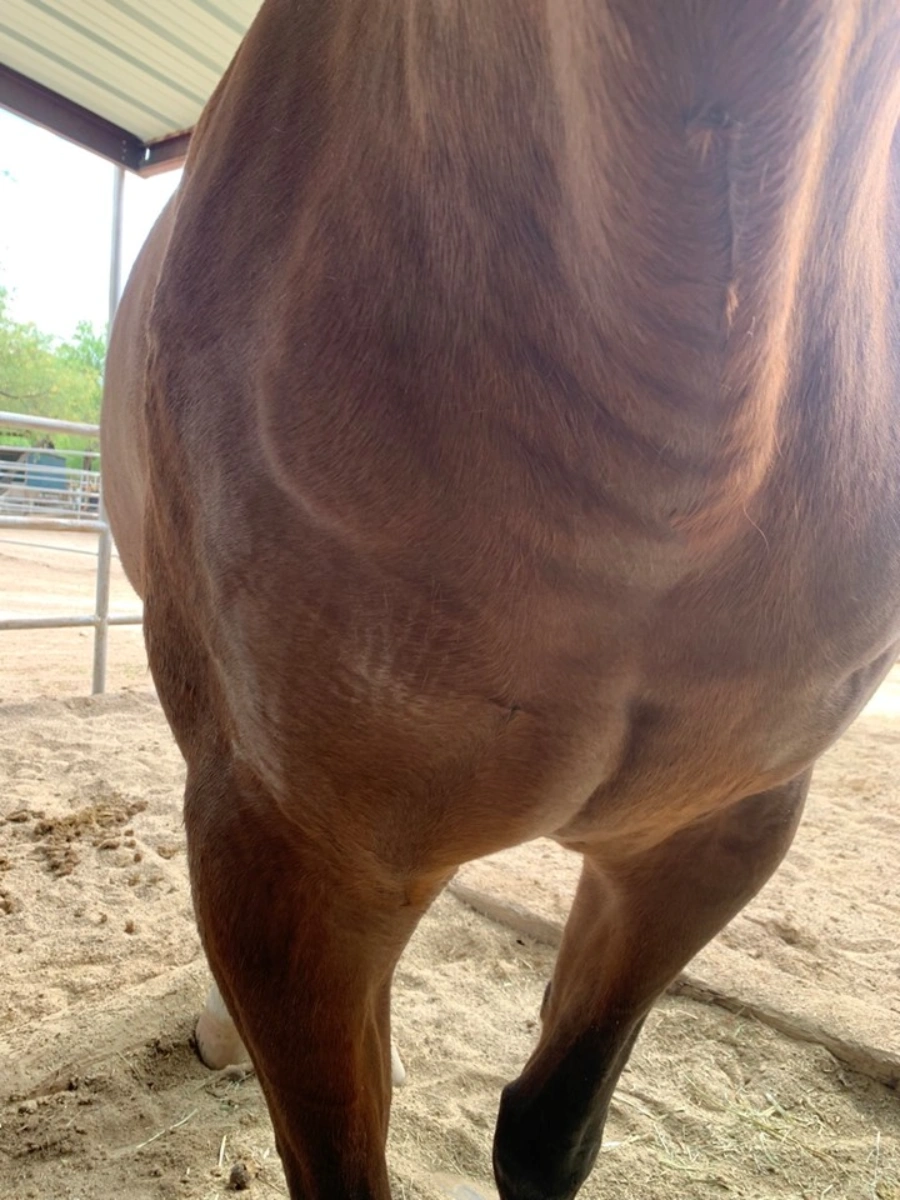
Pigeon fever is a bacterial infection caused by Corynebacterium pseudotuberculosis. It most often leads to abscesses, especially in the chest area, which can create noticeable swelling. Its name comes from this swelling which may resemble the breast of a pigeon.
Although many cases remain external, the infection can occasionally spread deeper in the body. In these cases, the bacteria can form abscesses in internal organs such as the liver, spleen, or lungs. This internal form is less common but more serious and often requires diagnostic testing to identify, as it may not be visible from the outside.
How Does Pigeon Fever Spread?
The bacteria that causes pigeon fever lives in the soil, particularly in dry environments like Arizona, where it can persist and contribute to infection risk under the right conditions, as described by the UC Davis School of Veterinary Medicine.
When flies come into contact with contaminated soil or drainage from an infected horse, they can pick up the bacteria. If those same flies land on another horse, especially on a small cut, scrape, or irritated area of skin, the bacteria can enter the body and begin an infection.
This pathway explains why both environmental management and wound care are important in reducing risk.
Is Pigeon Fever Contagious?
Pigeon fever is not considered highly contagious through direct horse-to-horse contact. Instead, it spreads mainly through the environment.
Flies play a major role by carrying bacteria from contaminated soil or drainage from an infected horse to another animal. Because of this, multiple horses on the same property can be affected, especially if flies are present and hygiene is not carefully managed.
For this reason, it is important to:
- Minimize exposure to drainage from abscesses
- Maintain good hygiene in shared areas
- Consider separating affected horses when possible
These steps help reduce the risk of spreading within a group.
Why It Is a Concern in Arizona
Arizona’s dry climate allows the bacteria to persist in the environment, and fly populations increase as temperatures rise. Even before peak summer heat, spring conditions begin to support fly activity and increased exposure.
As horses spend more time outdoors and may come into contact with other horses or shared environments, the risk gradually builds toward the peak season later in the year.
Early Signs to Watch For
Recognizing early signs can help you respond quickly and reduce complications.
Watch for:
- Swelling in the chest or along the belly
- Swelling in the limbs
- Warm or painful areas that may develop into abscesses
- Decreased appetite or energy
- Fever in some cases
Abscesses may eventually open and drain. While this can be part of the healing process, it also increases the risk of spreading bacteria into the environment.
In cases involving the internal form of the disease, signs may be more subtle and can include ongoing fever, weight loss, or general decline without obvious external swelling.
Can Horses Recover from Pigeon Fever?
Most horses recover well from pigeon fever, particularly when the infection is limited to external abscesses. These cases are often resolved with appropriate care and monitoring.
More serious cases can occur if the infection spreads internally. While less common, internal infections may require more advanced diagnostics and a more involved treatment approach.
Early veterinary involvement helps determine the extent of the infection and ensures your horse receives the most appropriate care.
How Is Pigeon Fever Treated?
Treatment for pigeon fever depends on the type and severity of the infection.
For horses with external abscesses, care often focuses on allowing the abscess to mature and drain safely. This may include monitoring, managing drainage, and keeping the area clean to reduce environmental contamination and support healing.
In some cases, your Adobe Veterinary Center veterinarian may recommend additional care such as anti-inflammatory medications or other supportive treatments, depending on your horse’s comfort and overall condition.
If the infection involves internal organs, treatment becomes more complex and may require advanced diagnostics and a more involved medical approach.
Because each case can vary, it is important to work closely with your veterinarian to determine the most appropriate plan for your horse.
What You Can Do Now to Reduce Risk
Spring is the time to begin taking steps that can lower the chances of infection later on.
- Begin fly control early
- Keep stalls, paddocks, and water areas as clean and dry as possible
- Avoid sharing equipment between horses without proper cleaning
- Monitor horses closely for any new swelling or changes
- Address wounds promptly to reduce entry points for bacteria
Additional precautions can further reduce risk, especially in environments where multiple horses are present:
- Quarantine and observe new horses before introducing them to others
- Isolate infected horses when possible
- Wash or sanitize hands after handling infected horses and consider using gloves or protective outerwear
- Avoid sharing buckets, pitchforks, or other equipment between infected and healthy horses
- Clean and disinfect areas that may be contaminated by drainage from abscesses
- Check stalls, paddocks, and fields for sharp objects that could cause skin injuries
These steps help reduce both environmental contamination and opportunities for bacteria to enter the body.
For more ways to protect horses from flies, please visit our website blog: Fly Season: Managing Pests and Protecting Your Horses.
When to Contact Adobe Veterinary Center
If you notice swelling, possible abscess formation, or changes in your horse’s behavior or appetite, it is important to contact Adobe Veterinary Center. Early evaluation can help determine whether pigeon fever is a concern and guide appropriate care.
Because drainage from abscesses can spread bacteria, proper handling and management are essential to protect both your horse and other horses on the property.
Pigeon fever is a familiar concern in Arizona, but it becomes much easier to manage when you understand how it develops. By recognizing how the bacteria spread and taking preventive steps early, you can help reduce your horse’s risk before peak season arrives.
If you have questions about pigeon fever or would like to schedule a wellness exam, Adobe Veterinary Center is here to help you protect your horse throughout the year.