
Halloween can bring some unexpected risks for dogs and cats. Candy, costumes, decorations, unfamiliar visitors, and frequently opened doors can all create potential problems for pets.
These six Halloween pet safety tips can help you prepare for the holiday and reduce the risk of an accident or emergency.
1. Keep Halloween Treats Away from Pets
Chocolate can be toxic to both dogs and cats, but dogs are much more likely to get into it. Pet Poison Helpline reports that chocolate is its most common call related to candy or other potential toxins, with the vast majority of chocolate calls involving dogs.
The risk depends on the type and amount of chocolate eaten and your pet’s size. Dark and baking chocolate are especially concerning because they contain higher concentrations of the compounds that cause chocolate toxicity.
Sugar-free candy and gum may contain xylitol, which is also dangerous to dogs. If your pet gets into Halloween treats, find out what was eaten, how much, and when. Save the package and call our team at Adobe Veterinary Center for guidance. Pet Poison Helpline is also available 24/7 for suspected poisonings.
2. Watch What Your Pet Might Swallow
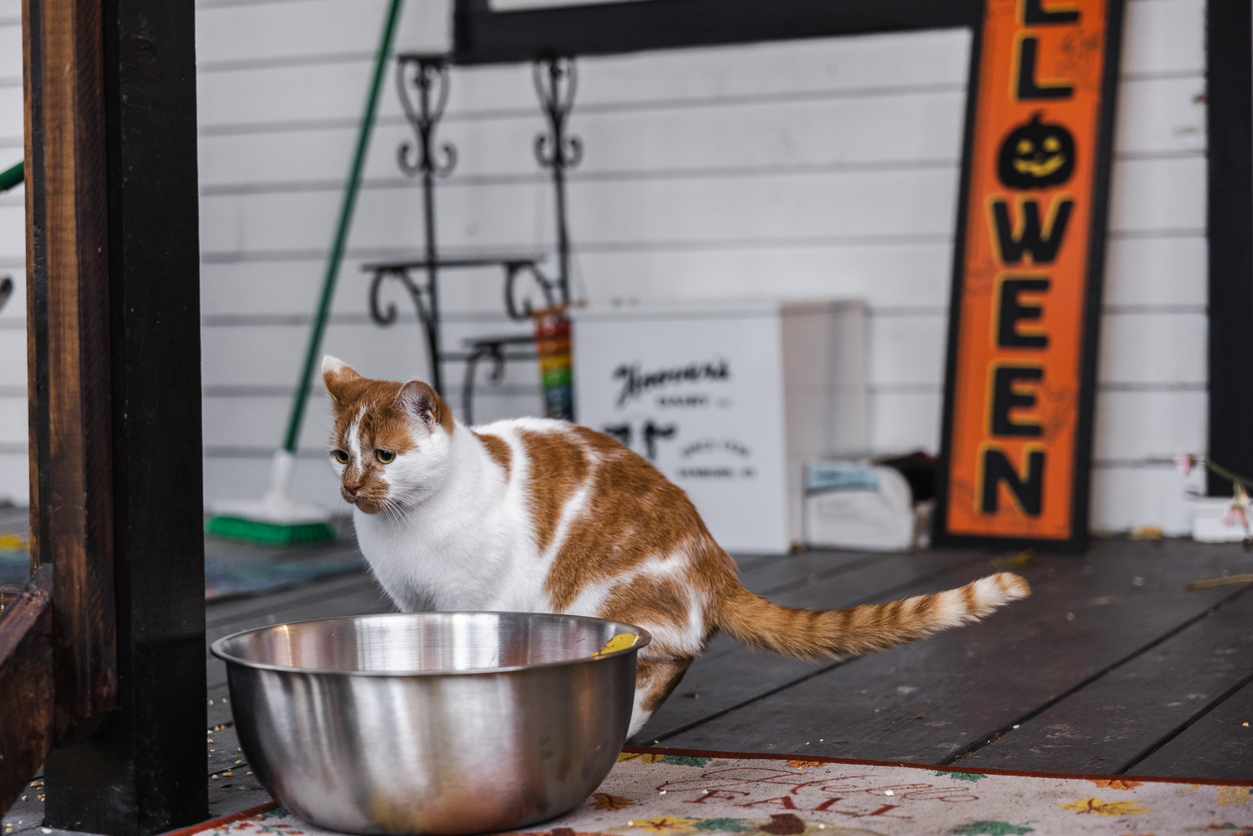
Candy wrappers, costume pieces, string, ribbon, and small decorations can become lodged in a pet’s digestive tract.
Vomiting, loss of appetite, lethargy, or abdominal discomfort can be signs of an obstruction. If we suspect your pet has swallowed a foreign object, we may recommend X-rays, ultrasound, or other testing to determine what is happening and what treatment is needed.
Candles and electrical cords are additional hazards. Keep them out of reach, remembering that cats can climb and jump to areas that may seem inaccessible.
3. Keep Costumes Comfortable
If your pet wears a costume, make sure it does not restrict breathing, vision, hearing, or movement. Check for small pieces that could be chewed off and swallowed, and never leave your pet unattended in a costume.
Watch how your pet responds. Panting, hiding, struggling, or repeatedly trying to remove the costume are signs that your pet is uncomfortable. In that case, skip the costume.
4. Prepare for Trick-or-Treaters
Doorbells, masks, unfamiliar visitors, and increased activity can be stressful for dogs and cats. Repeatedly opening the front door also increases the chance that a pet can slip outside.
Before trick-or-treating begins, consider setting up a comfortable, secure area away from the entrance. If you walk your dog in the evening, going before the neighborhood becomes busy can also make the experience less stressful.
5. Make Sure Your Pet Can Be Identified
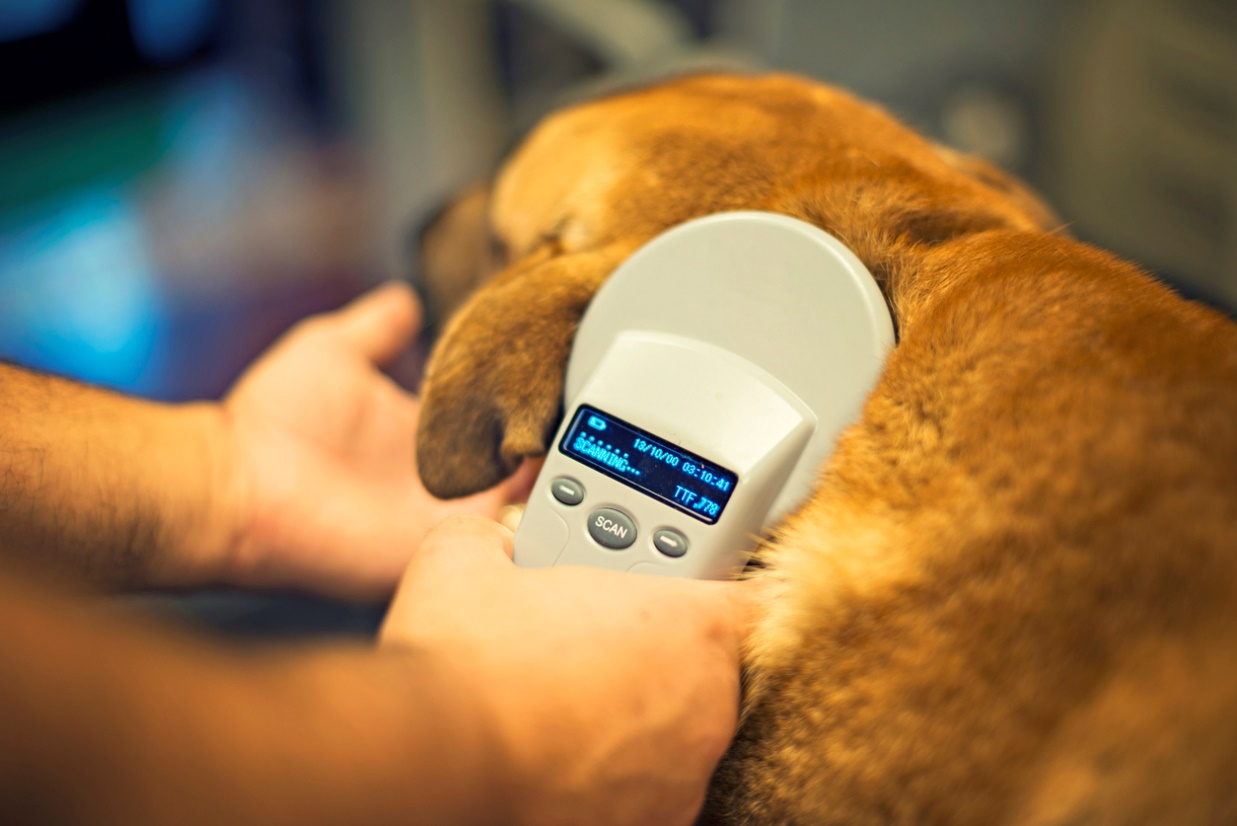
Halloween creates more opportunities for a dog or cat to slip outside as people come and go. A collar with an identification tag can help someone contact you quickly, but collars can come off or become lost.
A microchip gives your pet a permanent form of identification. If your pet is found and taken to a veterinary clinic or animal shelter, a scanner can detect the chip’s unique identification number. That number is then used to locate your contact information through the microchip registry.
This is why keeping the registration current is so important. Before Halloween, check that your phone number and address are correct. If you do not know your pet’s microchip number or are not sure whether your pet has a chip, our team at Adobe Veterinary Center can scan your pet and help you determine the next step.
If your dog or cat is not microchipped, we can microchip your pet during a brief appointment. Unlike a collar or tag that can be lost, a microchip provides identification throughout your pet’s life.
6. Act Quickly If Your Pet Gets into Something Dangerous
Call Adobe Veterinary Center if your pet eats something potentially toxic, swallows a foreign object, or is injured during Halloween activities. Let us know what happened, when it occurred, and what your pet may have eaten or swallowed. If food or candy is involved, keep the packaging so we can review the ingredients.
Do not wait for symptoms if you know or suspect your pet has eaten something potentially dangerous. Getting the right information early can help us determine what your pet needs.
Help Your Pet Have a Safe Halloween
Halloween should not have to end with an unexpected trip to the veterinary clinic. A little planning can help you avoid many of the problems that can occur when candy, decorations, costumes, and extra visitors are added to your pet’s normal routine.
If you have questions about Halloween pet safety, need to have your pet microchipped, or have another concern about your dog or cat, contact Adobe Veterinary Center in Tucson. Our team is here to help you keep your pet healthy and safe throughout the year.