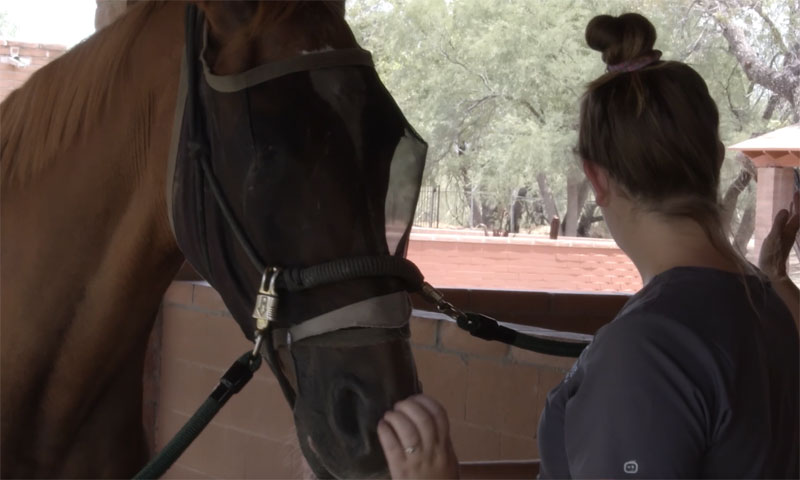
Equine Ulcer in Tucson AZ
Equine Ulcer
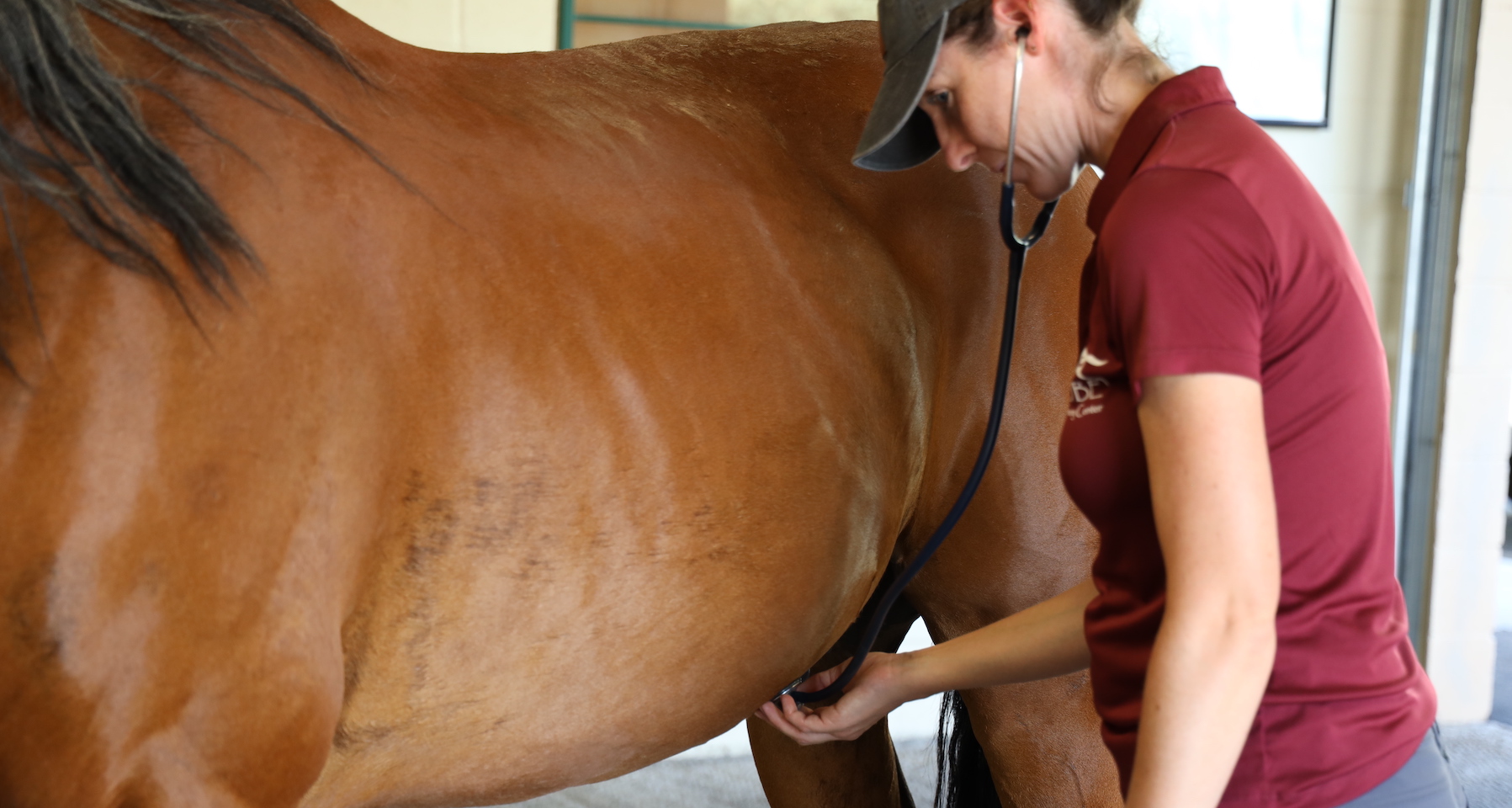
Adobe Veterinary Center provides advanced care for horses with gastric ulcers, using gastroscopy for accurate diagnosis and personalized treatment to improve health, performance, and overall well-being.
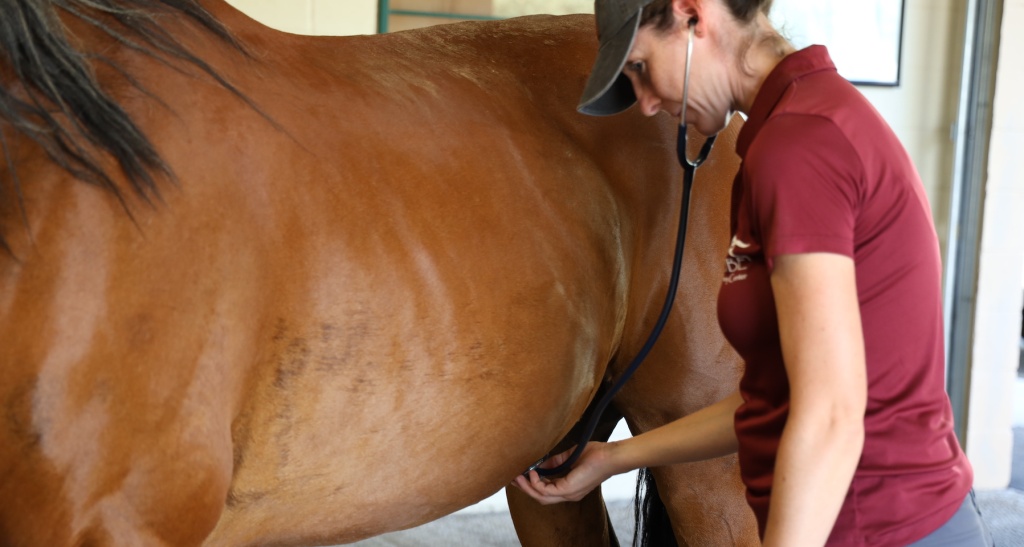
Equine Ulcer
What Are Gastric Ulcers?
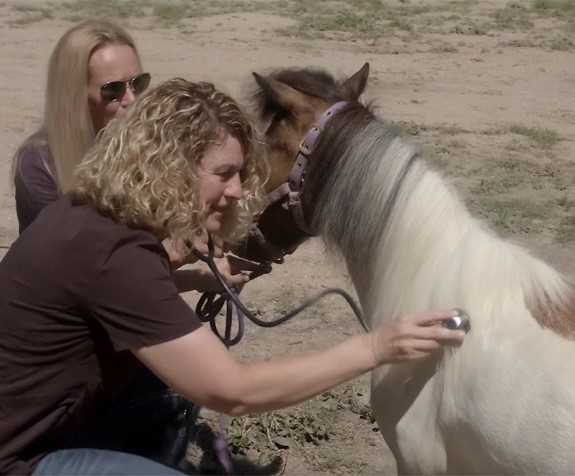
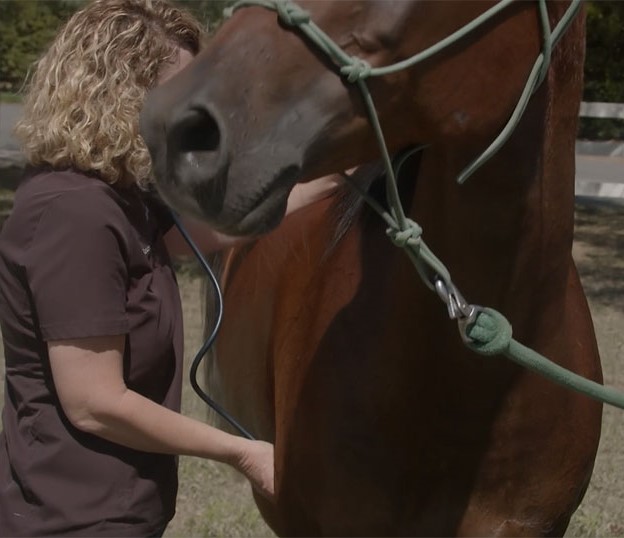
How Do Gastric Ulcers Affect Horses?
Gastric ulcers are highly common in horses, affecting an estimated 50-90% of horses of all ages. Nearly all performance horses (race, endurance, and show horses) are affected by ulcers. Additionally, a large portion of horses that are kept for trailering, leisure, and/or light work also develop gastric ulcers.
Gastric ulcers can have a significant impact on horses, as they can:
- Impede a horse’s ability to eat enough calories
- Adversely affect a horse’s temperament
- Result in more challenging training, difficult handling, and trouble with – transportation and trailering
- Prevent the horse from reaching optimal performance, fitness, and health
- Lead to bad habits such as weaving, cribbing, or stall walking
- Hinder the growth of foals
Be fatal in foals - Cause colic in both foals and adult horses
Signs and Symptoms of Equine Gastric Ulcers
Outward signs of gastric ulcers can often be subtle in horses, but these signs and symptoms include:
- Appetite loss and weight loss
- Attitude/behavior changes
- Colic
- Decreased performance
- Dullness
- Girthiness
- Poor body and hair/coat condition
- Reluctance to train
Any unexplained change in your horse’s appearance, performance, behavior, routine, or temperament could indicate a health problem such as gastric ulcers. If you notice any changes, we strongly encourage you to schedule a veterinary examination.

Advanced Equine Diagnostics With Gastroscopy
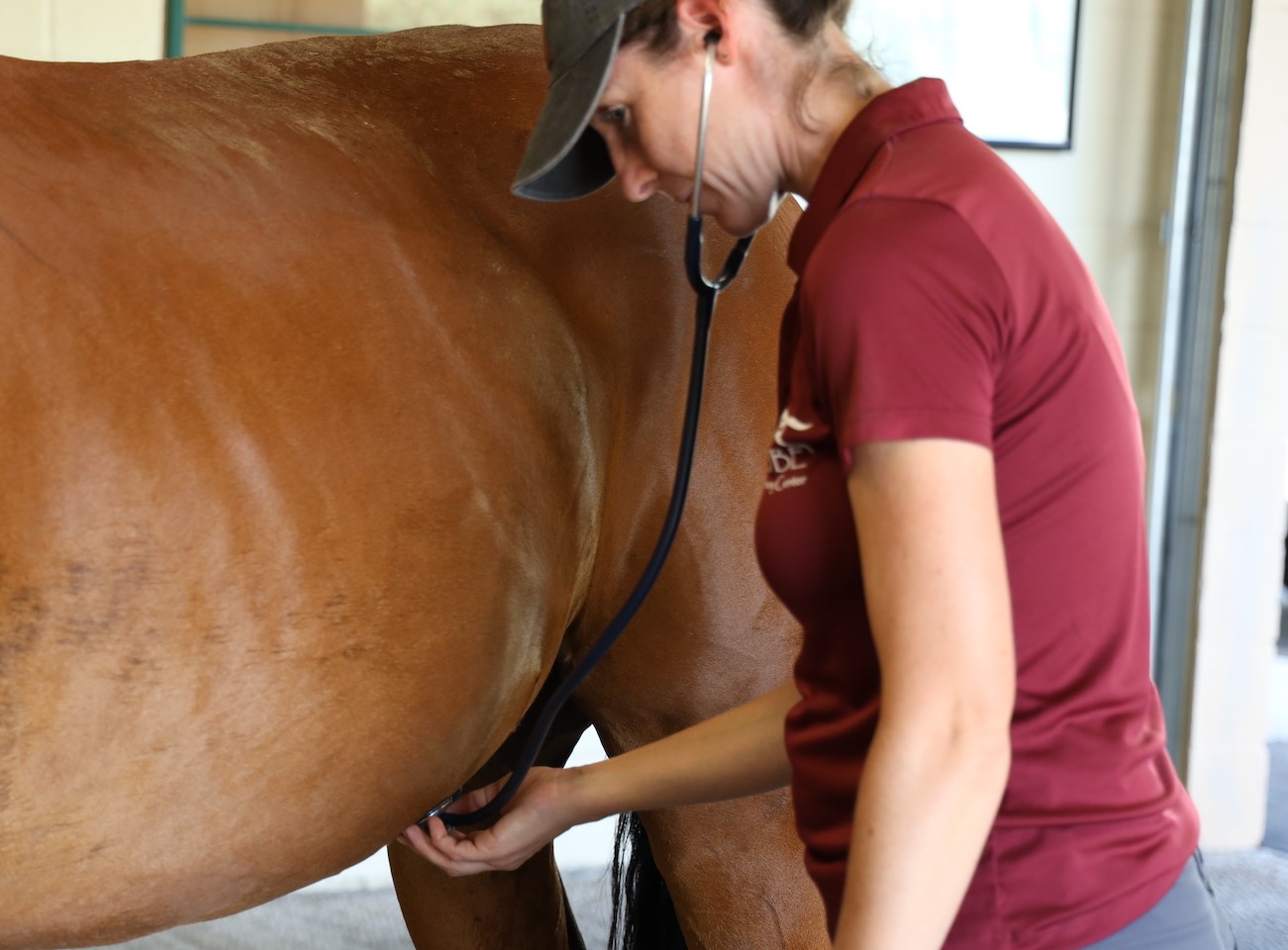
What Is a Gastroscopy?
What to Expect During an Equine Gastroscopy Appointment
Gastric Ulcer Treatment for Horses in Tucson