
When your dog or cat is sick, the symptoms you see at home do not always reveal what is causing the problem. Vomiting, weight loss, changes in appetite, urinary problems, and other symptoms can have many possible causes. A physical examination and laboratory tests can provide important information, but sometimes our veterinarians need to see what is happening inside your pet’s body.
Ultrasound for dogs and cats gives us a non-invasive way to take that closer look. At Adobe Veterinary Center, we offer in-house ultrasound diagnostics that allow our veterinarians to examine internal organs and other structures without surgery or radiation.
When Is Ultrasound for Dogs and Cats Recommended?
There is no single symptom that automatically means your dog or cat needs an ultrasound. Our veterinarians consider your pet’s symptoms, medical history, physical examination, and results from other diagnostic tests when determining whether ultrasound would be helpful.
We may recommend an ultrasound for concerns such as:
- Abnormal blood test results
- Unexplained weight loss
- Persistent vomiting or diarrhea
- Unusual urinary habits
- Chronic infections
- Fluid in the abdomen or chest
- A suspected cyst, lump, or other growth
For example, results from our in-house diagnostic lab services such as bloodwork may indicate that something is affecting an internal organ, but they cannot show us what that organ looks like. Ultrasound can help our veterinarians evaluate internal structures and look for changes that may help explain abnormal test results or persistent symptoms.
How Ultrasound Helps Evaluate Your Pet’s Internal Health
Ultrasound uses high-frequency sound waves to create images of structures inside your pet’s body. These sound waves are above the range that people and pets can hear.
One of the advantages of ultrasound is that it produces images in real time. This allows our veterinarians to evaluate the appearance and internal structure of organs and soft tissues and, when needed, observe movement and function as the examination is taking place.
Depending on the reason for the examination, ultrasound can provide useful information about gastrointestinal concerns, circulatory problems, heart disease, musculoskeletal issues, and abnormal growths such as cysts or masses.
Ultrasound vs. X-Rays: What Is the Difference?
Ultrasound and X-rays provide different types of information, which is why our veterinarians may use one or both when evaluating a health concern.
X-rays are particularly useful for evaluating bones and can also show the size, shape, and position of organs and other structures. They are often valuable when looking for fractures, changes in the chest or abdomen, or other abnormalities that can be identified on a radiograph.
Ultrasound for dogs and cats is particularly useful for examining soft tissues and the internal characteristics of organs. Our veterinarians can evaluate structures from multiple angles during the examination and observe certain movements within the body.
The choice between an X-ray and ultrasound depends on what our veterinarians are trying to evaluate. In some cases, both are recommended because the information from one type of imaging can complement what is seen with the other.
What Happens During an Ultrasound for Dogs and Cats?
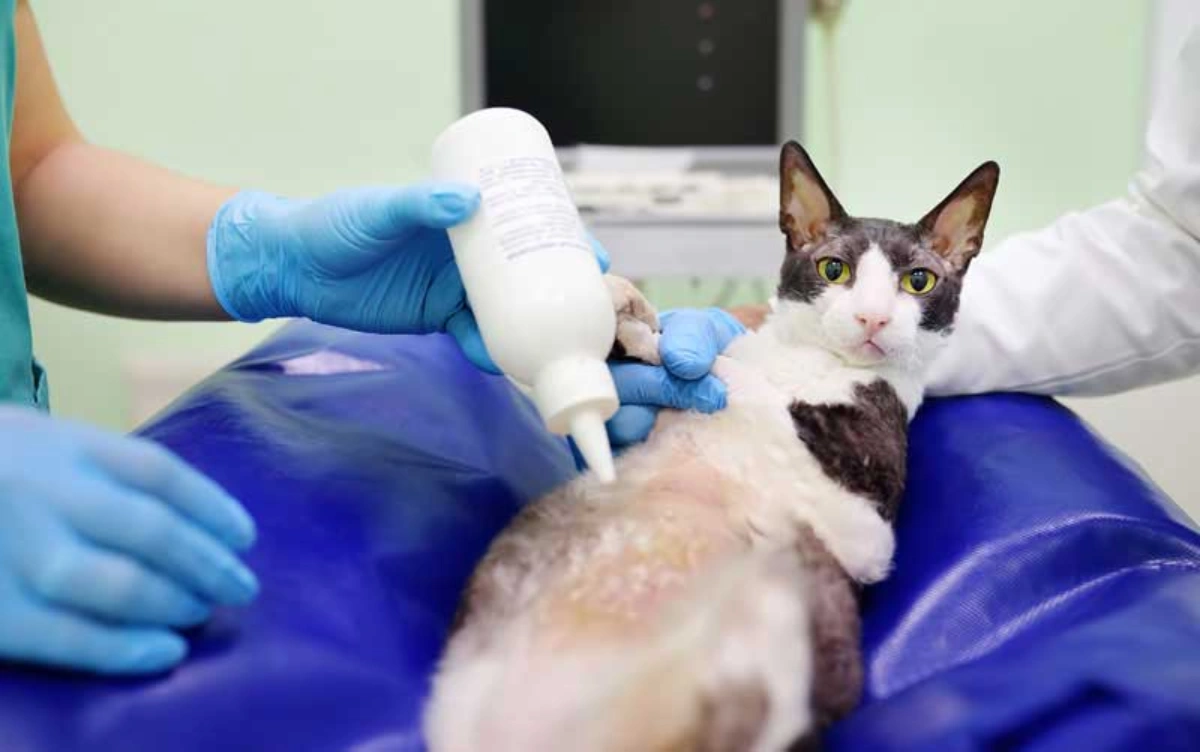
Ultrasound is non-invasive and pain-free, and most dogs and cats tolerate the procedure well without sedation.
Depending on the area being examined, we may need to shave a small portion of your pet’s fur. The ultrasound probe needs good contact with the skin to produce clear images, and fur can interfere with that contact.
A small amount of gel is applied to your pet’s skin, and the ultrasound probe is gently moved over the area being examined. Images appear on a screen as the examination is performed, allowing our veterinarian to evaluate the area being examined.
Our team will consider your pet’s individual needs and comfort throughout the examination.
What Happens After Your Pet’s Ultrasound?
The results can help identify the cause of your pet’s symptoms, guide treatment, or reveal an abnormality that needs further investigation. If additional information is needed, our veterinarians may recommend bloodwork, laboratory testing, or other diagnostics based on what the ultrasound shows.
Ultrasound is also valuable for monitoring certain health conditions after a diagnosis has been made. Repeat imaging can allow our veterinarians to evaluate changes over time and provide information that helps guide your pet’s ongoing care.
In-House Ultrasound for Dogs and Cats in Tucson
Adobe Veterinary Center offers in-house ultrasound for dogs and cats as part of our diagnostic services. Having this technology available at our Tucson clinic allows our veterinarians to perform non-invasive imaging when it is appropriate for your pet’s condition.
If your dog or cat has unexplained symptoms or our veterinarians have recommended an ultrasound, contact Adobe Veterinary Center to schedule an appointment.
Frequently Asked Questions About Ultrasound for Dogs and Cats
Does my pet need to be sedated for an ultrasound?
Most dogs and cats do not require sedation for an ultrasound because the procedure is non-invasive and pain-free. Whether sedation is appropriate can depend on the individual pet and the type of examination being performed.
Can an ultrasound tell whether a lump is cancer?
Ultrasound can help identify cysts, masses, and other abnormal growths, but an ultrasound image alone cannot always determine whether a growth is cancerous. Additional testing may be necessary to identify exactly what the abnormality is.
Is ultrasound safe for dogs and cats?
Ultrasound is a non-invasive diagnostic imaging technique that uses sound waves rather than ionizing radiation. It allows our veterinarians to examine structures inside your pet’s body without surgery.