
On June 3, 2026, the U.S. Department of Agriculture confirmed the first U.S. case of New World screwworm in nearly 60 years when it was detected in a calf in Texas. Additional cases have since been confirmed in Texas livestock, highlighting the importance of early detection, wound management, and fly control for horses and livestock. New Mexico has also confirmed a case in a dog. Although Arizona has no confirmed cases currently, these detections have increased awareness among veterinarians and animal health officials throughout the Southwest.
Open wounds can occur for many reasons in horses and livestock, making it important for owners to understand how screwworm infestations occur and recognize the early signs.
At Adobe Veterinary Center, we provide comprehensive veterinary care for horses and livestock throughout Southern Arizona. Whether your animals need preventive care, treatment for an illness or injury, reproductive care, or herd health management, our experienced team is committed to helping keep them healthy and productive.
Why Are Animal Health Experts Paying Attention to Screwworms?
New World screwworm is a parasitic fly that lays its eggs in open wounds and other natural body openings on warm-blooded animals. Once the eggs hatch, the larvae burrow into living tissue and begin feeding.
Unlike ordinary maggots that feed on dead tissue, screwworm larvae feed on healthy, living tissue. Without treatment, they can cause extensive tissue damage, pain, and secondary infections in a relatively short period of time.
Screwworms do not spread directly from animal to animal. An infestation requires both an open wound and exposure to the fly. Good wound management and consistent fly control remain two of the most effective ways to help reduce risk.
If you would like additional information about the status of New World screwworm in the United States, the USDA maintains updated information through its Stop Screwworm program.
Common Wounds That Deserve Close Monitoring
Open wounds can develop for many reasons in horses and livestock. While many heal without complications, every wound deserves careful observation.
Horse and livestock owners should routinely inspect and monitor:
- Fence cuts and abrasions
- Wire or trailer injuries
- Surgical incisions
- Castration wounds
- Dehorning sites
- Branding sites
- Ear tag placement sites
- Foaling- or calving-related injuries
- Draining wounds or skin infections
Prompt wound care and careful monitoring are among the best ways to reduce the risk of complications.
Signs of a Possible Screwworm Infestation
Because screwworm infestations can progress quickly, owners should contact Adobe Veterinary Center if they notice:
- A wound that becomes larger instead of healing
- A foul odor or unusual discharge
- Excessive swelling or irritation
- Animals separating themselves from the herd or acting unusually uncomfortable
- Visible larvae within a wound
Any wound that appears to worsen instead of improving deserves prompt veterinary attention.
What Horse and Livestock Owners Can Do Right Now
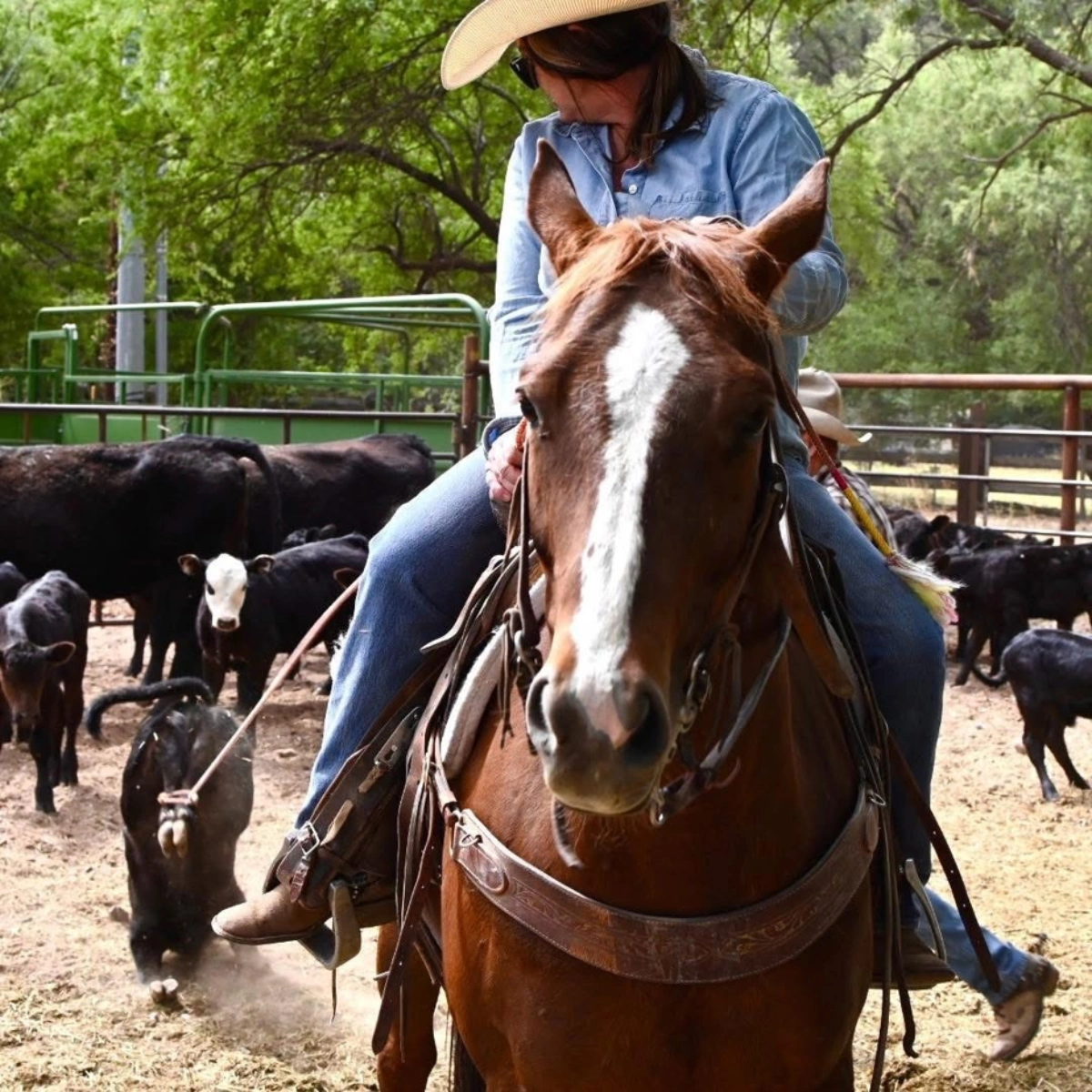
There are several practical steps owners can take to help protect their animals:
- Monitor horses daily and inspect livestock routinely for cuts, wounds, and skin injuries.
- Clean and monitor wounds promptly.
- Follow veterinary recommendations for post-surgical care.
- Maintain consistent fly-control measures around barns, corrals, and pastures.
- Watch healing wounds closely for any signs of deterioration.
- Contact Adobe Veterinary Center if a wound does not appear to be healing normally.
Early intervention can make a significant difference if complications develop.
Traveling or Moving Horses and Livestock?
If you plan to transport horses or livestock across state lines or into Mexico, be sure to check current movement requirements before traveling, as regulations may change as new screwworm cases are confirmed.
For the latest information about New World screwworm detections, response efforts, and animal movement guidance, visit the USDA’s Stop Screwworm program.
If you have questions about preparing your animals for travel, Adobe Veterinary Center can help you understand current recommendations and health requirements.
When Should You Contact Adobe Veterinary Center?
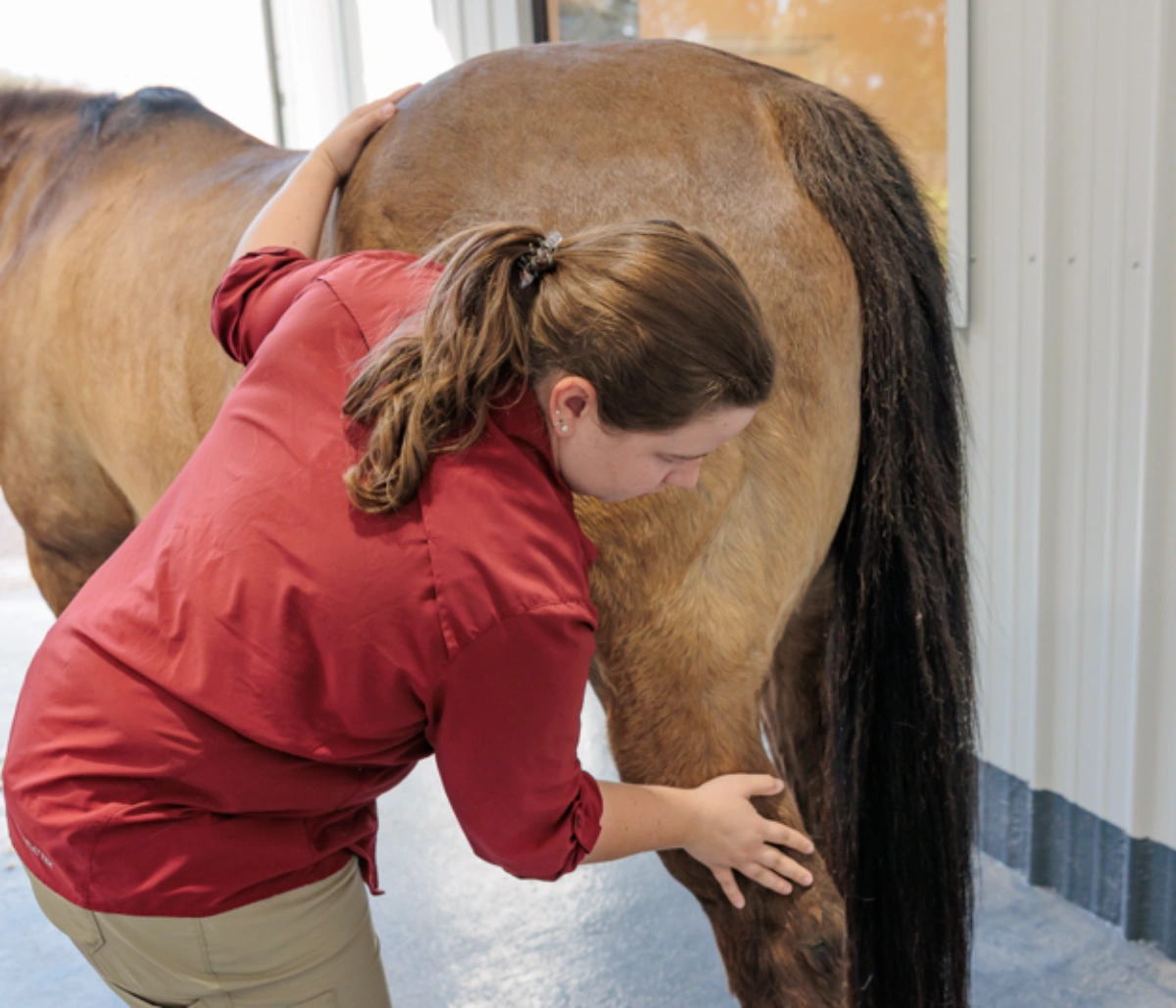
If a wound does not look right or is not healing the way it should, call us.
Early treatment is especially important because screwworm larvae can damage healthy tissue rapidly. Our veterinarians can evaluate the wound, determine the cause, and recommend appropriate treatment to protect the health and well-being of your horse or livestock.
Helping Protect Horses and Livestock in Southern Arizona
Although Arizona has no confirmed cases of New World screwworm currently, the recent detections in Texas and New Mexico underscore the importance of monitoring wounds, practicing good fly control, and seeking veterinary care promptly when concerns arise.
Routine inspections, prompt wound care, and early veterinary attention remain some of the most effective ways to help protect horses and livestock from serious complications.
At Adobe Veterinary Center, we are committed to helping Southern Arizona horse and livestock owners keep their animals healthy. If you notice a wound that is not healing properly or have questions about protecting your horses or livestock, contact our experienced veterinary team.