
In Tucson, pet emergencies don’t just happen, they often happen fast. Extreme heat, dehydration, and environmental risks like rattlesnakes can turn a normal day into an urgent situation in a matter of minutes. At the same time, pets can experience many of the same emergencies seen anywhere, including breathing problems, injuries, toxin ingestion, and sudden illness.
The challenge is knowing when something has crossed the line from a minor issue to a situation that requires immediate care. Acting early can prevent a treatable problem from becoming life-threatening.
Important: This information is provided for general educational purposes and is not a substitute for professional veterinary advice, diagnosis, or treatment. The timeframes listed below are general guidelines. If your pet’s symptoms worsen at any time, or if you are unsure whether your pet is experiencing an emergency, contact a veterinarian or emergency clinic immediately.
Below are 13 pet emergencies, what they look like, and how to respond.
1. Difficulty Breathing
Signs to watch for:
- Breathing faster than normal while resting for 10 minutes
- Open-mouth breathing (especially in cats)
- Neck stretched forward to breathe
- Pale, gray, or bluish gums
- Chest and abdomen both moving with each breath
What to do:
If breathing does not return to normal after 10 minutes of rest, or worsens at any point, go to a veterinarian immediately.
2. Severe Bleeding
Signs to watch for:
- Bleeding that continues after 5 minutes of steady pressure
- Blood soaking through cloth or bandages
- Blood dripping steadily or pooling
- Bleeding from the nose, mouth, or rectum
What to do:
Apply firm, continuous pressure. If bleeding continues after 5 minutes, seek veterinary care immediately.
3. Collapse or Unresponsiveness
Signs to watch for:
- Inability to stand or walk for more than 1 minute
- Loss of consciousness lasting more than 10–15 seconds
- No response to voice or touch
What to do:
If your pet cannot stand or respond normally within 1 minute, go to a veterinary clinic immediately.
4. Seizures
Signs to watch for:
- Shaking, paddling, or stiffening
- Drooling or foaming
- Loss of awareness
- Disorientation lasting more than 5 minutes afterward
What to do:
If a seizure lasts longer than 60 seconds, occurs more than once in 24 hours, or is the first seizure, seek veterinary care immediately.
5. Straining to Urinate or Not Urinating
Signs to watch for:
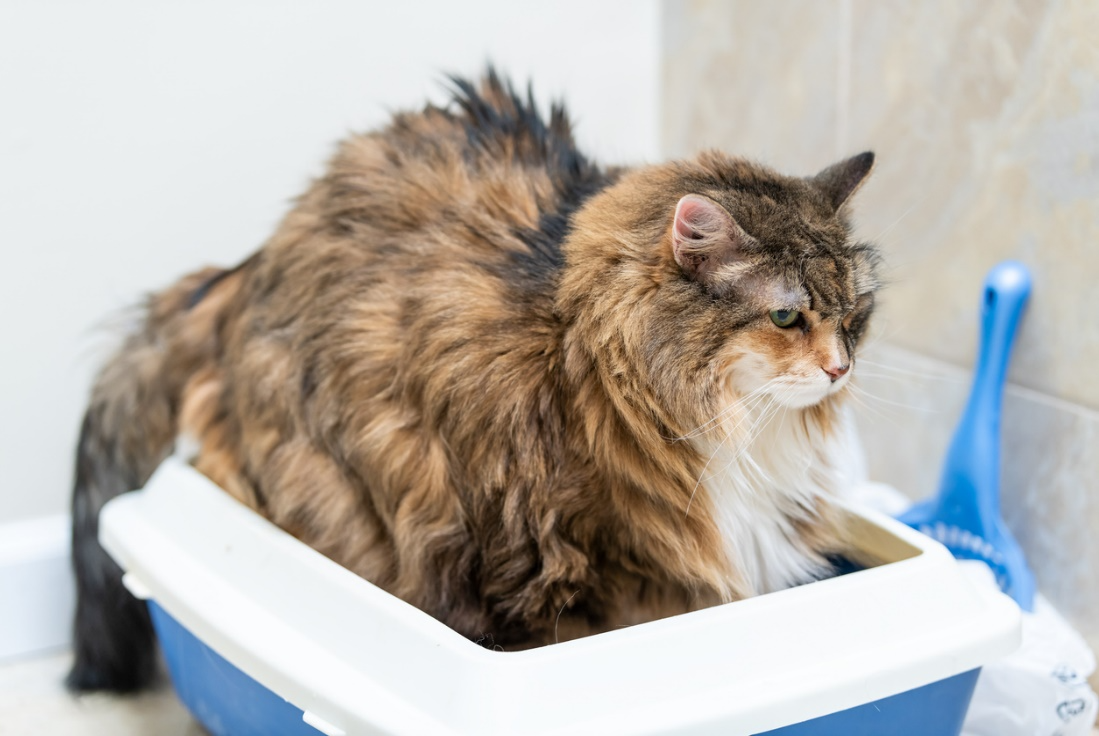
- Repeated trips to the litter box with little or no urine over 1–2 hours
- Straining or crying while trying to urinate
- Sitting in the litter box longer than usual without producing urine
- Licking the urinary area frequently
- Small drops of urine or none at all
Signs this may be a blockage (especially in male cats):
- No urine produced despite repeated attempts
- Increasing restlessness or discomfort
- Vomiting, hiding, or becoming lethargic as the condition worsens (fever may develop in later stages)
What to do:
If your pet is attempting to urinate but not producing urine, go to a veterinarian or emergency clinic immediately.
This is especially urgent in male cats, where a blockage can become life-threatening within 24 hours.
If you’re unsure whether urine is being produced, treat it as a blockage and seek care right away.
For more information, the American Veterinary Medical Association provides additional guidance.
6. Suspected Poisoning
Signs to watch for:
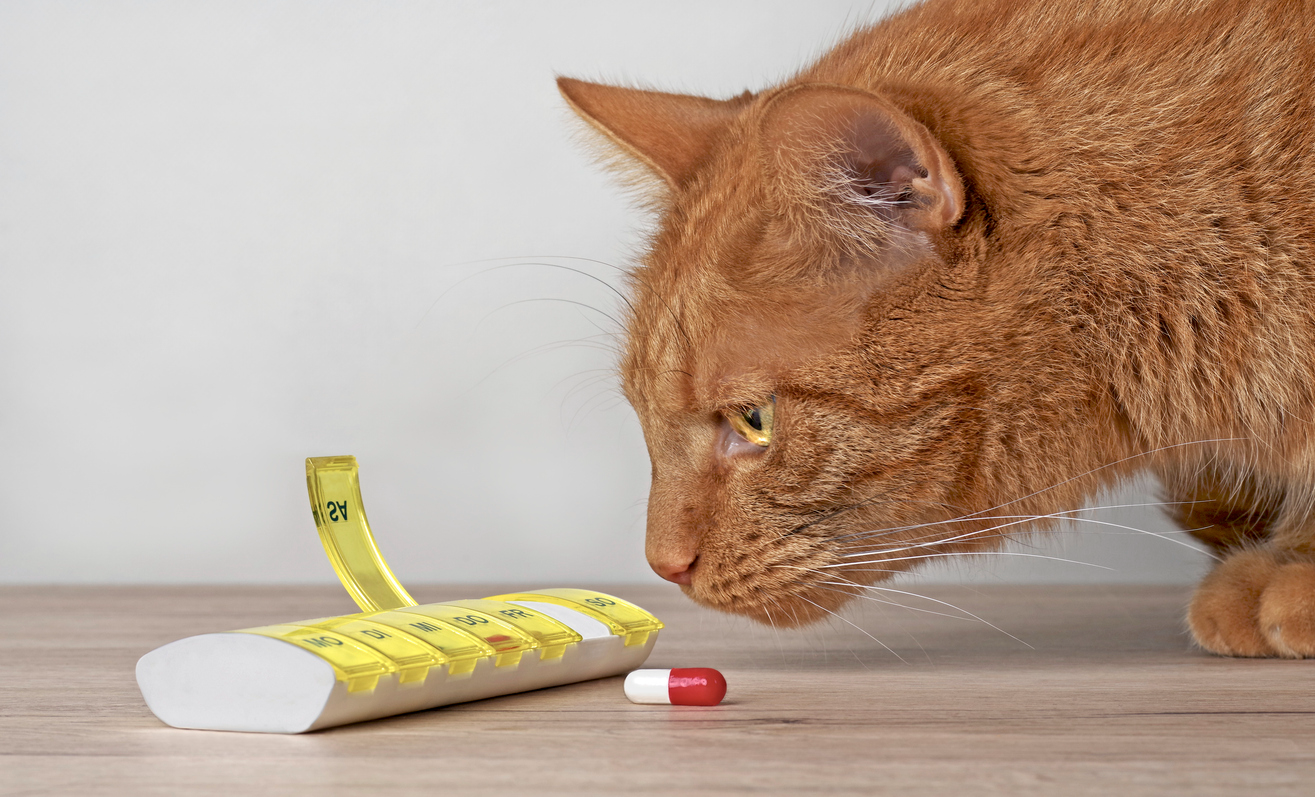
- You saw your pet eat something they should not (chocolate, medications, trash, plants, chemicals)
- You found chewed packaging, spilled substances, or missing food, medication, or items
- Your pet is vomiting, drooling, shaking, or acting unusually
- No symptoms yet, but exposure is possible
What to do:
- If your pet has repeated vomiting (more than 2–3 times), tremors, seizures, trouble breathing, collapse, or cannot stand, go to a veterinarian immediately
- If your pet is alert and able to walk normally with no or only mild symptoms, contact the Pet Poison Helpline immediately. They can assess the risk, guide next steps, and coordinate care with your veterinarian if needed
If you are unsure, assume it is not safe until a veterinarian or poison control confirms otherwise.
Do not try to make your pet vomit unless specifically instructed.
For additional guidance on common household toxins and prevention, the American Veterinary Medical Association offers helpful information.
7. Heatstroke
Signs to watch for:
- Panting that continues after 10 minutes in a cool area
- Thick drooling
- Vomiting or diarrhea
- Weakness, stumbling, or collapse
What to do:
Offer small amounts of cool (not cold) water. Do not give ice-cold water or allow your pet to drink large amounts at once.
You can also begin cooling your pet with towels soaked in cool (not cold) water, focusing on the belly, paws, and neck. Do not use ice or very cold water.
If panting continues beyond 10 minutes or other symptoms are present, go to a veterinarian immediately.
Even if your pet begins to improve, veterinary evaluation is still recommended after heatstroke.
The American Veterinary Medical Association provides more information on preventing heat-related illness in pets.
8. Trauma or Injury (Including Snake Bites)
Signs to watch for:
- Hit by a vehicle or bicycle
- Fall from a height greater than 2–3 times your pet’s height
- Bite wounds or punctures
- Limping lasting more than 1–2 hours
- Swelling increasing over 1–2 hours
Snake bite signs (common in Tucson):
- Sudden yelp during a walk
- Swelling within 30–60 minutes
- Puncture wounds
- Weakness, drooling, or collapse
What to do:
- After a fall or injury, have your pet evaluated the same day
- If limping or swelling lasts longer than 12–24 hours, schedule a visit
- If you suspect a snake bite, go to a veterinarian immediately. Do not apply ice, tourniquets, or attempt home treatment. Carry your dog or cat, if possible, to reduce movement.
9. Repeated Vomiting or Diarrhea
Signs to watch for:
- Vomiting more than 3 times in 6 hours
- Diarrhea more than 4 times in 8 hours
- Symptoms lasting longer than 24 hours
- Blood present
What to do:
If symptoms meet these thresholds, contact your veterinarian or seek same-day care.
10. Eye Injuries
Signs to watch for:
- Squinting lasting more than 30 minutes
- Redness, swelling, or discharge
- Pawing at the eye
What to do:
If symptoms last longer than 30–60 minutes, have your pet examined the same day if possible.
11. Bloated or Firm Abdomen
Signs to watch for:
- Swollen, tight belly lasting more than 1 hour
- Attempting to vomit without producing anything
- Restlessness or pacing
- Signs of discomfort such as whining or inability to settle
What to do:
These signs may indicate a serious condition such as bloat (GDV), which can become life-threatening very quickly. Go to a veterinarian immediately.
12. Severe Lameness or Possible Fracture
Signs to watch for:
- Refusal to bear weight for more than 2 hours
- Swelling or abnormal limb position
- Pain when touched
What to do:
If your pet cannot use the limb after 2 hours, seek veterinary care.
13. Sudden Behavior Changes or Signs of Pain
Signs to watch for:
- Hiding or withdrawal lasting more than 12–24 hours
- Refusing food for 12–24 hours (cats) or 24 hours (dogs)
- Persistent lethargy
What to do:
If changes persist beyond these periods, contact your veterinarian.
When You Are Not Sure
If symptoms are not improving or are getting worse, seek veterinary care. A quick call can often help determine whether your pet needs to be seen right away or if monitoring at home is appropriate. At Adobe Veterinary Center, our team is here to help guide you through those decisions and provide care when your pet needs it most.